

 français


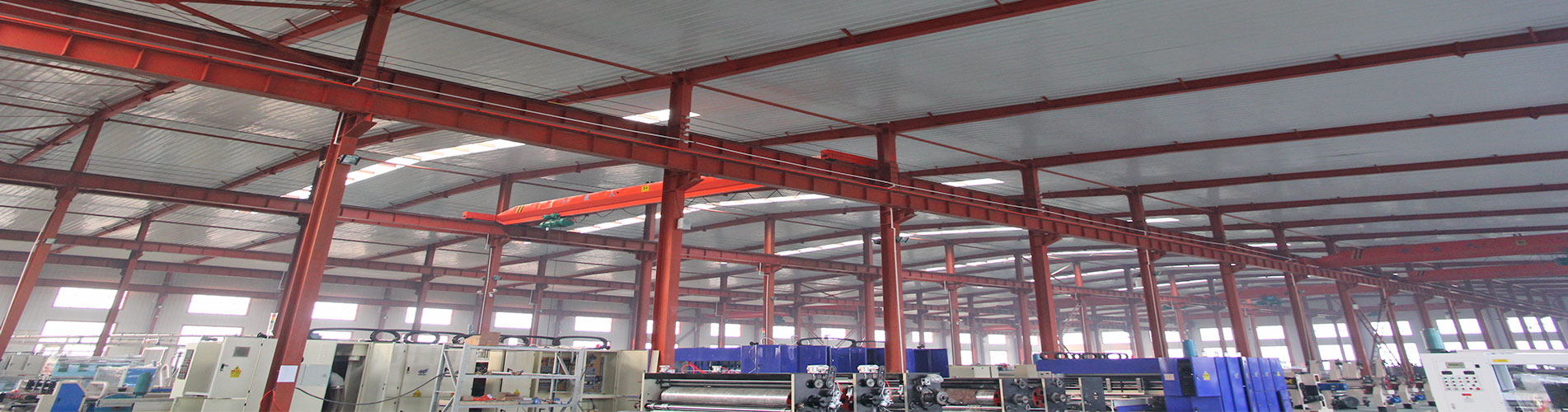

How do steel structure buildings cope with extreme weather such as heavy snow?
Steel structure buildings are generally well-equipped to handle heavy snow loads, but their performance hinges on proper design, construction quality, and maintenance. Here’s a breakdown of how they cope and where potential risks lie.
1. Core Defense Mechanism
High Strength-to-Weight Ratio: Steel is inherently strong and ductile. Unlike brittle materials, it can undergo significant deformation before failure, allowing the structure to bend under extreme snow load rather than snap.
Sloped Roof Design: Most industrial and commercial steel buildings feature sloped roofs (e.g., 1:12 to 4:12 pitch). This design encourages snow to slide off before accumulating to dangerous levels.
Redundant Load Paths: Well-designed steel frames distribute weight efficiently. If one member is overloaded, the load can often be transferred to adjacent beams and columns, preventing localized collapse.
2. The Critical Role of Design Codes
The safety of a steel building in heavy snow is determined long before the first snowflake falls, during the engineering phase.
Snow Load Calculations: Engineers use local building codes (which specify ground snow loads) and apply safety factors to determine the design snow load for the roof. In your region (Cangzhou, Hebei), the design load would be based on historical weather data for the North China Plain.
Importance of "Importance Factor": Critical buildings like schools or hospitals are designed for higher snow loads than standard warehouses.
3. Common Failure Points (Why Some Steel Buildings Collapse)
Despite their strength, collapses do occur, usually due to one of the following reasons:
Improper Design: Underestimating the snow load or using undersized members to cut costs.
Ponding (Flat or Low-Slope Roofs): This is a major risk. If a roof is too flat, water from melting snow can pool, causing deflection (sagging). This sagging creates a deeper pool, leading to a dangerous cycle that can overload the structure.
Inadequate Bracing: Lateral bracing and diaphragm action are crucial for stability. Poor bracing can lead to buckling under heavy vertical loads.
Secondary Elements: Failure often starts not with the main frame, but with purlins (roof beams) or girts (wall beams) buckling first.
4. Maintenance and Emergency Measures
Roof Inspections: Regularly check for corrosion, loose bolts, or damaged connections, as these weaknesses are exacerbated by heavy snow.
Snow Removal: If snow accumulation approaches design limits, controlled removal is necessary. Crucially, use plastic shovels or brooms—never metal tools or heavy equipment that can puncture the roof membrane or damage the steel.
Prevent Ice Dams: Ensure proper attic insulation and ventilation to prevent snow from melting and refreezing at the eaves, which can cause water backup and added load.
Key Takeaway
A properly engineered and maintained steel structure is one of the safest building types in heavy snow. The risk of collapse is low if it was designed for the local climate and built to code. The primary vulnerabilities are flat roofs prone to ponding and corrosion or damage that compromises the structure's integrity over time.
Catégories
dernier blog
Mots clés


Pour Demandes de renseignements sur nos produits ou Pricelist, laissez-nous s'il vous plaît et nous serons en contact dans les 24 heures.
© droits dauteur: 2026 Hebei Baofeng Steel Structure CO.,LTD Tous les droits sont réservés.

IPv6 réseau pris en charge


 +8615720226351