

 français


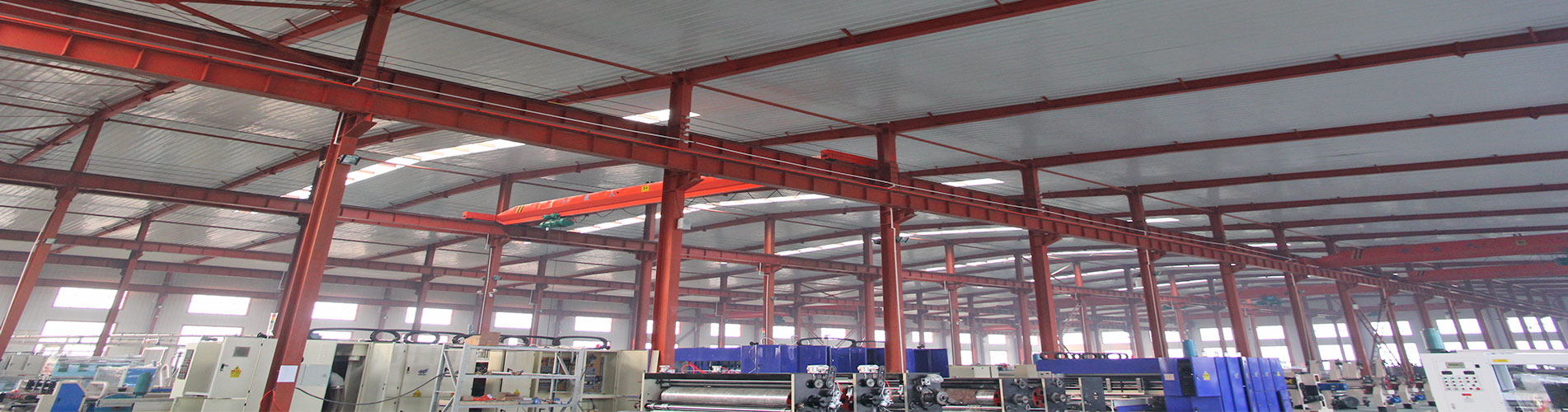

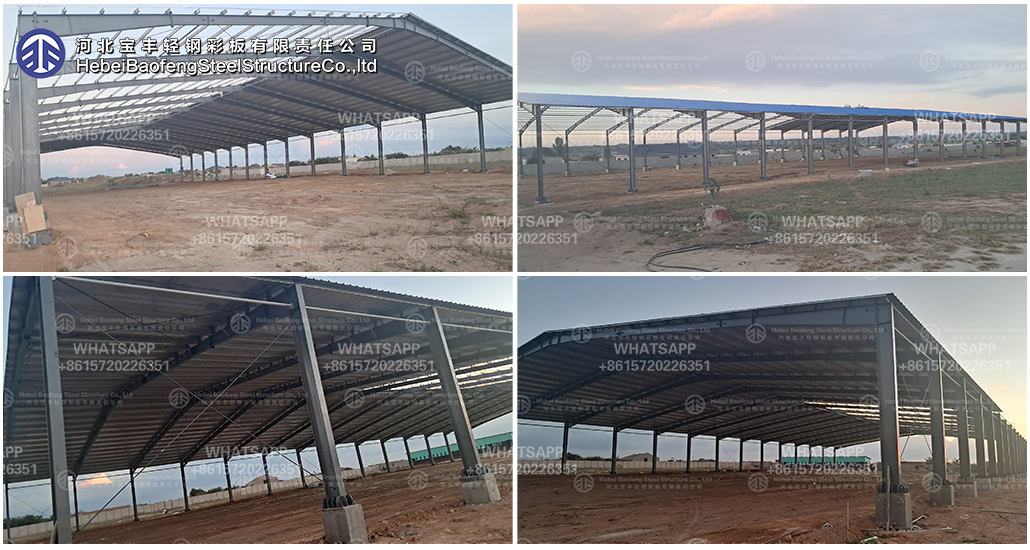
Steel Structure Shed, Suitable for Agriculture!
A steel structure shed is indeed an extremely suitable and highly recommended option for agricultural use. It addresses many of the core needs of modern farming efficiently and durably.
Here’s a breakdown of why it's a perfect fit and key considerations:
Why Steel Sheds Are Ideal for Agriculture
1.Strength & Durability:
Weather Resistance: Withstands heavy snow loads, high winds, rain, and hail much better than wood or fabric structures.
Fire Resistance: Non-combustible, protecting valuable equipment, feed, and harvest.
Pest & Rot Proof: Immune to termites, rodents, and moisture-related decay, a common problem with wooden barns.
2.Low Maintenance:
Galvanized or painted steel requires minimal upkeep compared to wood, which needs regular painting and repair.
Easy to clean with water or a pressure washer.
3.Clear-Span Design:
Steel frames can create large, open interior spaces without obstructive support columns. This is crucial for:
Storing large machinery (tractors, combines).
Creating efficient workshop areas.
Housing livestock with unobstructed movement.
Maximizing storage space for hay, grains, or produce.
4.Cost-Effectiveness:
Long-Term Value: Higher initial cost than some options, but significantly lower lifecycle cost due to durability and near-zero maintenance.
Fast Construction: Pre-engineered components go up quickly, saving on labor costs and getting you under cover faster.
Modularity: Easy to expand or modify later as your needs grow.
5.Versatility & Function:
Multi-Purpose: Can serve as a machinery shed, hay barn, livestock shelter, workshop, milking parlor, or crop storage facility.
Customizable: Easily fitted with ventilation systems, roller doors, side panels (solid, mesh, or translucent for light), and insulation.
Key Considerations for Your Agricultural Steel Shed
Purpose: Define its primary use. Is it for machinery storage (needs large doors), hay barn (requires excellent ventilation), or livestock (needs insulation, water/feed access)?
Size & Dimensions: Plan for future growth. Go wider and longer than you think you need. Consider door height for the tallest equipment.
Site & Foundation:
Choose a well-drained, level site.
Foundations can be a simple concrete slab (for workshops), perimeter piers, or ground screws, depending on soil and use.
Local Climate:
Snow/Wind Load: Ensure the design meets local building codes for environmental loads.
Ventilation: Crucial in hot climates to prevent heat buildup and moisture condensation, which can spoil feed or harm animals.
Insulation: Consider insulating the roof (or whole building) if used for sensitive storage, workshops, or livestock comfort.
Permissions: Always check with your local authorities regarding building permits and zoning regulations for agricultural structures.
Popular Agricultural Steel Shed Configurations
Machinery Shed: Large clear-span, tall roller doors, robust concrete floor.
Hay & Feed Barn: Side and ridge ventilation, open sides or mesh panels for air circulation, dry storage area.
General-Purpose Utility Shed: Combination of enclosed space and open-sided cover.
Livestock Housing: Insulated, with controlled ventilation, partitions, and easy-clean surfaces.
Conclusion:
For an agricultural building that offers long-term durability, low maintenance, and flexible space, a steel structure shed is a superior investment. It protects your valuable assets—from tractors to harvests—and can adapt to the evolving needs of your farm for decades to come.
Catégories
dernier blog
Mots clés


Pour Demandes de renseignements sur nos produits ou Pricelist, laissez-nous s'il vous plaît et nous serons en contact dans les 24 heures.
© droits dauteur: 2026 Hebei Baofeng Steel Structure CO.,LTD Tous les droits sont réservés.

IPv6 réseau pris en charge


 +8615720226351