

 français


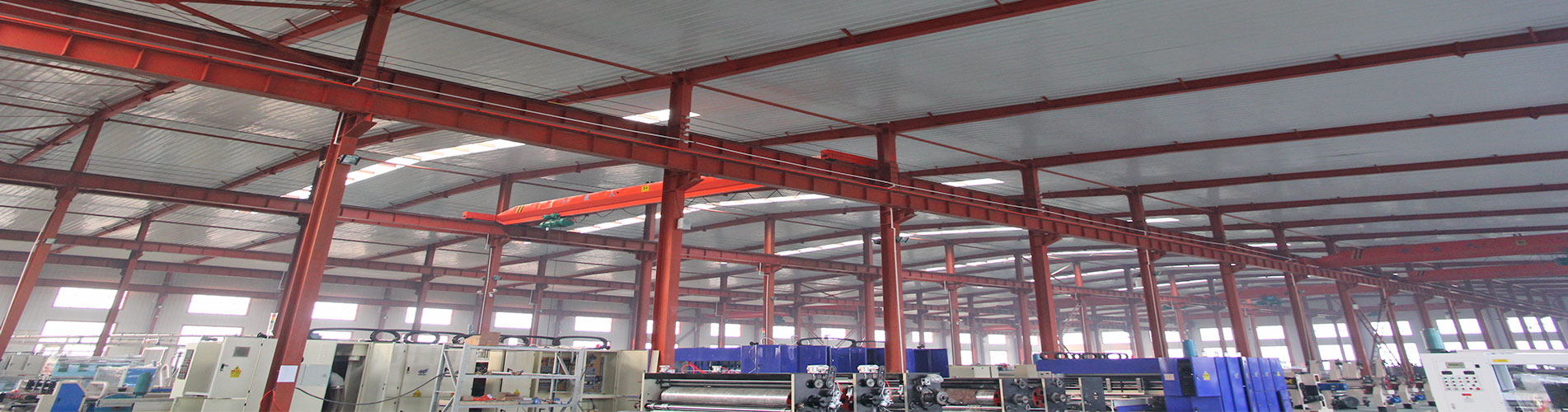

Steel Structure Warehouse: Design for Typhoon Resilience
When a steel structure warehouse is built in coastal or typhoon-prone regions—from Southeast Asia to the Gulf Coast—the greatest threat isn't gravity, but wind. Typhoons generate both extreme lateral pressure against walls and severe uplift (negative pressure / suction) on roof surfaces, which can peel off cladding or even overturn a poorly anchored frame.
A truly typhoon-resilient steel warehouse is not "standard plus thicker steel"—it's a systematically engineered building that accounts for wind load dynamics, frame stiffness, connection integrity, and envelope performance. Below are the key design principles.
1. Wind Load Calculation & Code Compliance
The foundation of any resilient design is accurate wind load determination per local code:
Standards: ASCE 7-22(USA), EN 1991-1-4(Eurocode), or GB 50009(China) — all specifying basic wind speed, exposure category (B/C/D), gust effect factor, and topographic multiplier (Kzt).
Typhoon zones: Use 50-year or 100-year return period basic wind pressure (often ≥0.80–1.20 kN/m² in typhoon areas), with a gust/windborne debris factor applied.
Internal pressure: Avoid designing as "partially enclosed" (GCpi = ±0.55) unless roll-up doors are left open—enclosed buildings (GCpi = ±0.18) face far lower combined loads.
2. Rigid Frame & Lateral Bracing System
Wind exerts horizontal shear on the frame. The primary structure must transfer these forces safely to the foundation:
Portal frame stiffness: Specify adequate H-section column/rafter sizes. In high-wind zones, upgrade to higher grade steel (e.g. Q355B/Q390) and reduce column spacing to limit individual frame load.
Column bracing: Install X-type or V-type cross bracing in both end bays and intermediate bays (column spacing ≤ 6 m recommended) to resist longitudinal wind forces.
Roof bracing: Horizontal diagonal bracing at roof level forms a rigid diaphragm, distributing lateral loads to the braced bays and preventing frame sway.
Purlin & girt connection: Purlins must be securely bolted or clipped to rafters—not just screwed—to transfer wind suction into the main frame.
3. Foundation Anchorage & Uplift Resistance
Typhoon uplift tries to literally lift the building off its foundation. The anchorage system is critical:
Anchor bolts: Use high-strength anchor bolts (ASTM A325/A490 or Grade 8.8/10.9) sized for both shear and uplift tension, with proper embedment depth in reinforced concrete footings or mats.
Anti-uplift footings: In loose or sandy coastal soils, enlarge footings or add tie beams between them to resist overturning.
Chemical anchors / pile foundations: For poor soil or very high uplift demand, consider micropiles or chemical anchor upgrades.
4. Wind-Resistant Roof & Wall Cladding
The building envelope is the most vulnerable element during a typhoon—roof panel blow-off is the #1 failure mode:
Standing seam / concealed-fastener roofs: Preferred over exposed-screw panels. Interlocking seams with hidden clips resist wind uplift far better.
Fastener spacing: On exposed-fastener systems, reduce clip/screw spacing at roof edges and corners where suction peaks (wind pressure coefficient Cp can reach –2.0 locally).
Panel thickness: Use ≥0.5–0.6 mm (preferably 0.8 mm) galvanized/aluminum-zinc coated steel with anti-corrosion treatment for coastal salt spray.
Wall panels: Vertical ribbed panels with proper perimeter fastening. Avoid large unframed openings—if roll-up doors are present, specify wind-rated doors with reinforced tracks.
5. Aerodynamics & Architectural Form
Shape influences how wind flows around the structure:
Roof pitch: A moderate gable roof (15°–30° / 3:12–6:12 pitch) helps air separate cleanly and reduces suction zones compared to flat roofs.
Eave overhangs: Minimize or eliminate long overhangs that trap uplift. If used, reinforce soffit backing and secure firmly.
Ridge vents: Use hurricane-rated ridge vents with baffles to prevent wind-driven rain ingress and sudden internal pressure spikes.
6. Corrosion Protection in Coastal Environments
Salt-laden air accelerates rust, weakening connections before the next typhoon hits:
Hot-dip galvanizing: Minimum Z275 (275 g/m²) coating on purlins, girts, and secondary members.
Paint system: Epoxy primer + polyurethane topcoat (total DFT ≥120–160 μm) for primary frame in aggressive marine atmospheres.
Stainless / coated fasteners: Use stainless steel or mechanically galvanized screws—never plain carbon fasteners near the coast.
7. Quality Control & Verification
Even perfect drawings fail with poor execution:
✅ Torque-check all high-strength bolted connections (double nut + lock washer or nyloc nut).
✅ Verify anchor bolt alignment and grout pocket consolidation before column erection.
✅ Conduct a pre-typhoon season envelope inspection—replace degraded sealants and retighten loose fasteners.
Conclusion
A typhoon-resilient steel structure warehouse is the product of integrated engineering—correct wind load calculation, stiff lateral bracing, robust anchorages, uplift-resistant cladding, and marine-grade corrosion protection. Cutting corners on any one of these invites catastrophic failure when the next typhoon makes landfall.
Investing in proper typhoon-grade design upfront protects not only the building itself but also the valuable inventory and operations it shelters—delivering decades of safe, low-maintenance service even in the world's harshest coastal climates.
Catégories
dernier blog
Mots clés


Pour Demandes de renseignements sur nos produits ou Pricelist, laissez-nous s'il vous plaît et nous serons en contact dans les 24 heures.
© droits dauteur: 2026 Hebei Baofeng Steel Structure CO.,LTD Tous les droits sont réservés.

IPv6 réseau pris en charge


 +8615720226351